
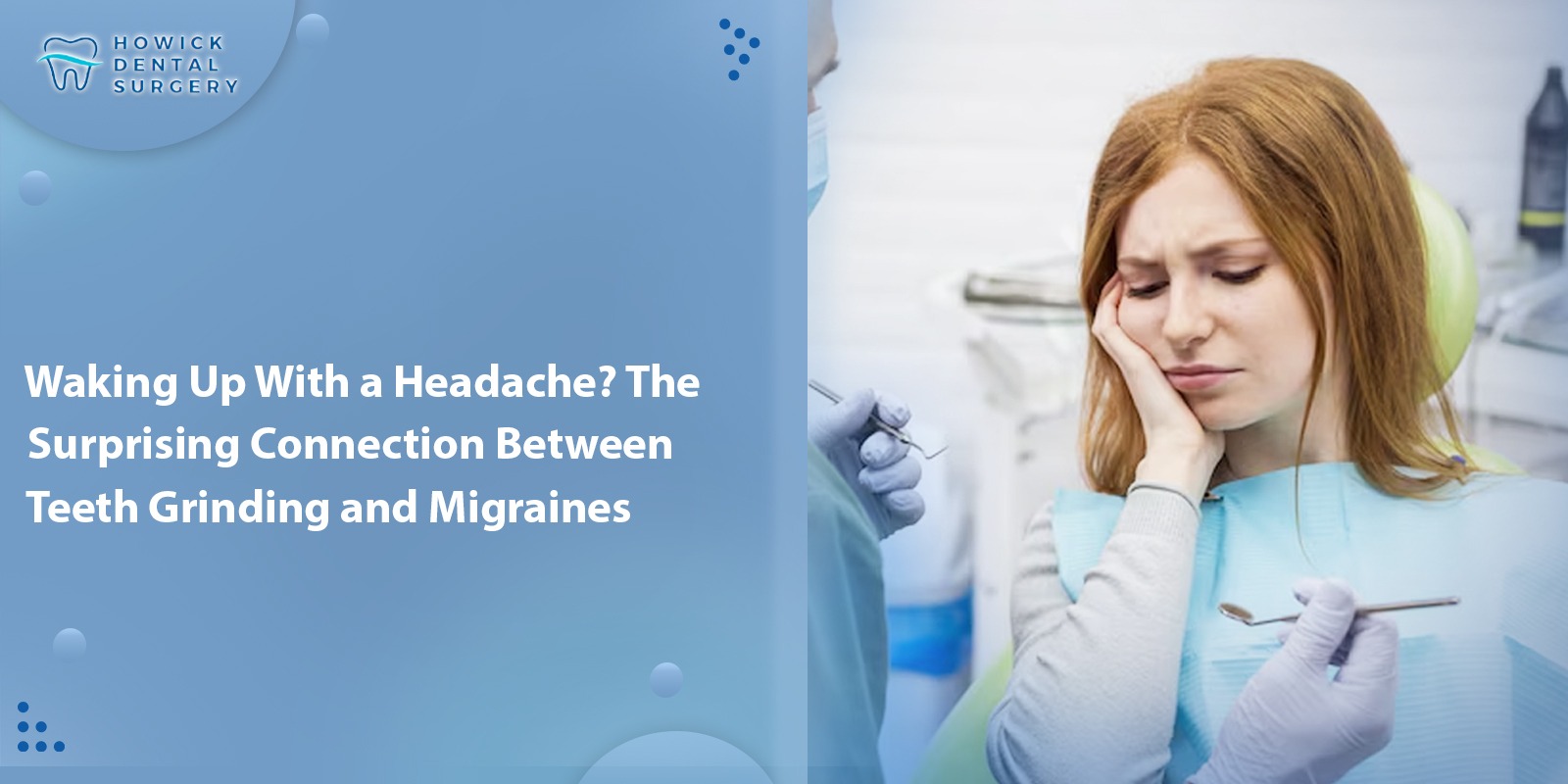
If you regularly wake up with a pounding headache, you might normally blame poor sleep or stress. But there’s another cause worth considering — teeth grinding, medically known as Bruxism. And in New Zealand, where dental care and oral health awareness are growing, it’s worth knowing about the link.
According to the NZ-based clinic Howick Dental Surgery, bruxism (teeth grinding or clenching) often happens during sleep or in times of stress — and one common sign is waking up with headaches.
What is Bruxism and How Common Is It
Bruxism refers to the habit of grinding or clenching the teeth — usually unconsciously, either while awake or asleep. It can be occasional, but if it becomes frequent, it can cause damage to teeth, stress on the jaw, and more.
In New Zealand, some dental providers estimate that between 10 % to 15 % of adults experience bruxism to some degree.
How Teeth Grinding Can Trigger Headaches and Migraines
There are several mechanisms by which bruxism can lead to head pain:
- Jaw muscle tension & TMJ stress:Grinding or clenching exerts intense pressure on the jaw muscles and the Temporomandibular joint (TMJ), causing muscle fatigue and inflammation. That tension can radiate to the temples, forehead, neck — triggering headaches.
- Nerve irritation:The pressure and stress from grinding may irritate nerves — for instance, the Trigeminal nerve — which can provoke migraine-like symptoms such as throbbing pain, sensitivity to light/sound, dizziness or nausea.
- Poor sleep & disrupted rest:Sleep bruxism often goes hand-in-hand with sleep disruption. If you grind during the night, you may wake frequently, reducing sleep quality — another known trigger for morning headaches or migraines.
In many cases, what feels like a “morning migraine” might actually be a headache caused (or worsened) by nighttime grinding.
When to Suspect Bruxism
If any of the following sounds familiar, it’s worth discussing with a dentist:
- Waking up with recurrent headaches or head/temple pain
- Stiff or sore jaw, jaw pain or discomfort — especially after sleeping
- Dental signs: worn-down enamel, chipped or flattened teeth surfaces, increased tooth sensitivity.
- Ear or temple pain, ringing in the ears (tinnitus), or pain spreading from jaw to neck/shoulders.
What You Can Do: Prevention & Treatment
- Seek dental help — a nightguard may help.A custom-fitted night/mouth guard by your dentist can protect your teeth from grinding and reduce jaw pressure, which may also ease headaches. Clinics like Howick Dental Surgery routinely list “night mouth guard” among their services.
- Stress management and lifestyle changes.Because stress and anxiety often contribute to bruxism — especially when awake — adopting relaxation practices (like mindfulness, stretching, avoiding excessive caffeine or alcohol at night) may help.
- Regular dental check-ups.Dentists can often spot signs of bruxism (worn teeth, enamel damage) even before you notice symptoms — allowing early intervention.
- Monitor sleep & sleep patterns.Poor sleep quality can worsen bruxism or its impact — prioritizing good sleep hygiene might reduce the frequency/severity of grinding-related headaches.
If you wake up more often than not with a throbbing head, jaw soreness or a dull headache — especially if dental wear or teeth sensitivity are creeping in — don’t dismiss it as “just stress.” There’s compelling evidence that unseen bruxism — grinding or clenching of teeth — could be the hidden culprit behind your morning migraines.
In New Zealand, talking to a dentist (like those at Howick Dental Surgery) about nightguards and lifestyle tips could not only save your teeth — but also save you many groggy, painful mornings.
Leave a Reply