
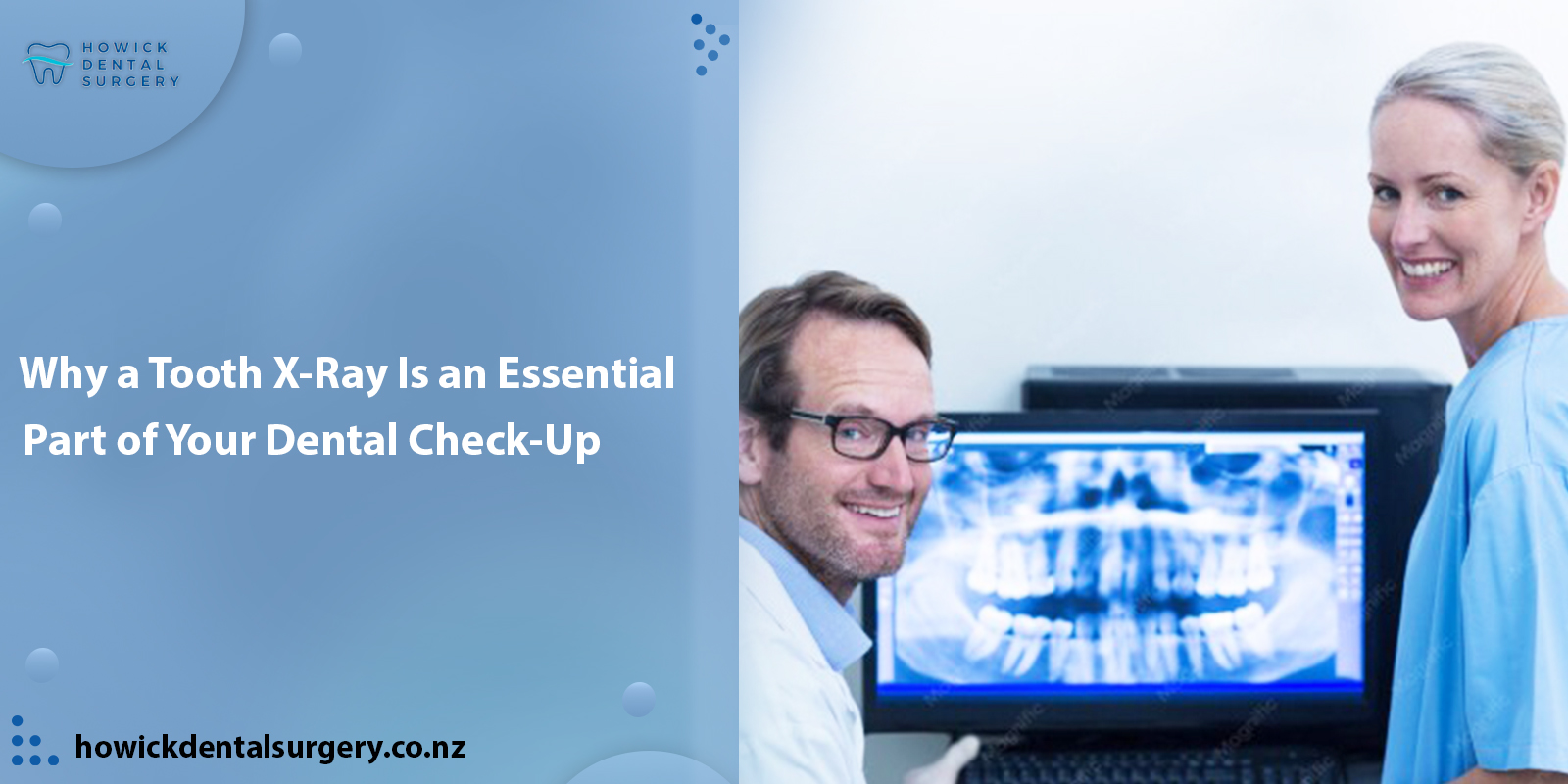
Many people assume that if their teeth look healthy and they are not experiencing pain, everything is fine. However, some dental problems develop beneath the surface where they cannot be seen during a routine visual examination. This is where a tooth X-ray becomes an important part of maintaining good oral health.
In New Zealand, dentists regularly use dental X-ray technology during check-ups to identify issues before they become more serious and costly to treat. Health New Zealand and dental professionals across the country recognise diagnostic imaging as an important tool for detecting decay, gum disease, infections, and other oral health concerns that may not be visible to the naked eye.
What Is a Dental X-Ray?
A dental X-ray is a diagnostic image that allows your dentist to see beneath the surface of your teeth and gums. While a visual examination can identify obvious issues, X-rays reveal hidden problems such as:
- Tooth decay between teeth
- Early-stage cavities
- Gum and bone loss
- Cracked teeth
- Infections or abscesses
- Impacted teeth
- Jawbone abnormalities
These images provide valuable information that helps dentists make accurate diagnoses and develop effective treatment plans.
Why Is a Dental Check-Up X-Ray Important?
A dental check-up X-ray enables dentists to detect problems at an early stage when treatment is often simpler, less invasive, and more affordable.
For example, decay that is hidden between teeth may not be visible during a standard examination. Without X-rays, these issues can progress unnoticed until they cause pain or require more extensive treatment such as root canal therapy or tooth extraction. Routine imaging helps identify these concerns before they become serious.
Research from New Zealand has shown that people who attend regular dental check-ups generally experience better oral health outcomes than those who only visit when problems occur. Regular preventive care helps reduce tooth decay, tooth loss, and other long-term oral health issues.
Types of Dental X-Rays
Depending on your oral health needs, your dentist may recommend different types of X-rays.
Bitewing X-Rays
These are among the most common dental X-rays used during routine check-ups. They help detect cavities between teeth and monitor existing restorations. Most patients will have bitewing X-rays taken periodically as part of their preventive dental care.
Panoramic X-Rays
A panoramic X-ray provides a complete view of the teeth, jaw, and surrounding structures. It is often used to assess wisdom teeth, jaw development, and hidden abnormalities.
How Often Do You Need a Tooth X-Ray?
The frequency of dental X-rays varies depending on your age, oral health history, and risk factors. For many adults with good oral health, dentists may recommend X-rays every one to two years. Patients with a history of cavities, gum disease, or ongoing dental concerns may require imaging more frequently.
Your dentist will determine the most appropriate schedule based on your individual needs.
Safe, Fast and Effective
Modern digital dental X-ray technology uses very low levels of radiation while providing highly detailed images. The process is quick, comfortable, and plays a crucial role in preventive dentistry. Early detection through dental imaging can often save patients from more complex and expensive treatments in the future.
Protect Your Oral Health with Regular Dental Check-Ups
A tooth X-ray is much more than a picture of your teeth—it is an important diagnostic tool that helps your dentist identify hidden issues before they affect your oral health. Combined with regular examinations, professional cleaning, and good home care, dental X-rays help New Zealanders maintain healthier smiles for the long term.
If it has been a while since your last dental check-up X-ray, booking a comprehensive examination can provide peace of mind and help keep your teeth and gums in excellent condition for years to come.
Leave a Reply